
Why Is Regular CPAP Mask Replacement Crucial for Effective Sleep Apnoea Therapy?
Regular CPAP mask replacement directly maintains the proper seal needed for effective sleep apnoea therapy and prevents air leaks that compromise treatment. When mask components wear out, they lose their ability to create the airtight seal essential for delivering the prescribed pressure to your airways.
The seal is everything in CPAP therapy. Without it, your machine cannot maintain the correct air pressure needed to keep your airways open throughout the night. Air leaks mean your therapy becomes less effective, potentially leaving you with the same symptoms you experienced before starting treatment—daytime fatigue, morning headaches, and disrupted sleep.
Worn-out masks compromise therapy effectiveness in several measurable ways:
- Reduced therapeutic pressure – Air escaping through gaps means less pressure reaches your airways
- Increased machine noise – Leaks create whistling sounds that disturb your sleep and your partner’s
- Inaccurate therapy data – Your CPAP machine’s readings become unreliable when leaks occur
- Lower treatment compliance – Discomfort from a poor seal makes you less likely to use your device consistently
The cushions, frames, and headgear all deteriorate with nightly use. Silicone becomes less pliable, elastic stretches out, and materials lose their original shape. Even if damage isn’t visible to the naked eye, the microscopic changes in these materials prevent them from conforming to your facial contours as they once did.
Your prescribed CPAP pressure assumes a perfect seal. When that seal degrades, you’re essentially receiving a lower, ineffective dose of therapy—similar to taking half a prescribed medication. This is why understanding The Top 4 Reasons to Replace Your CPAP Mask Regularly starts with recognising that replacement isn’t optional maintenance; it’s a fundamental requirement for successful sleep apnoea treatment.
How Does Replacing Your CPAP Mask Improve Comfort and Skin Health?
Fresh mask cushions directly enhance CPAP mask comfort by maintaining the soft, pliable texture needed for a gentle seal against your face. When cushions age, the materials—whether silicone or memory foam—lose their flexibility and become rigid, creating uncomfortable pressure points that disrupt sleep quality.
The Physical Impact of Degraded Cushions
Worn cushions no longer conform to your facial contours properly. Silicone cushions develop micro-tears and surface roughness after approximately six months of nightly use, whilst memory foam varieties compress and lose their cushioning properties within just 30 days. This degradation forces you to overtighten the headgear to maintain a seal, which creates additional facial pressure and discomfort.
The hardened material presses against sensitive areas around your nose, cheeks, and upper lip with increased force. Many users report waking with deep red marks, indentations, or soreness that persists for hours after removing their mask.
Skin Health Risks From Old Masks
Using old masks poses significant risks to skin health beyond temporary discomfort. The breakdown of cushion materials creates rough surfaces that cause friction against your skin throughout the night, leading to:
- Persistent redness and inflammation
- Painful pressure sores or ulcers
- Contact dermatitis from degraded materials
- Acne breakouts around the mask contact area
- Dry, flaky skin patches
Aged cushions also harbour accumulated facial oils, dead skin cells, and bacteria within their deteriorating structure. Even with regular cleaning, these contaminants become embedded in the compromised material, creating a breeding ground for skin infections. The combination of bacterial exposure and compromised skin barrier from friction significantly increases infection risk.
Material-Specific Considerations for Mask Cushions Replacement
Different cushion materials require distinct mask cushions replacement schedules. Memory foam cushions demand monthly replacement due to their rapid compression and inability to withstand frequent cleaning. Silicone cushions last longer—typically six months—but show wear through visible cracks, yellowing, or a sticky texture indicating material breakdown.
Gel cushions, whilst offering superior comfort initially, degrade faster when exposed to.
What Role Does Regular CPAP Mask Replacement Play in Maintaining Hygiene?
CPAP mask hygiene deteriorates significantly as contaminants accumulate in the cushions, tubing, and frame over weeks of nightly use. Your mask sits directly against your skin for 6-8 hours each night, collecting facial oils, dead skin cells, sweat, and bacteria that daily cleaning alone cannot fully eliminate.
The warm, moist environment created by your breath and humidified air provides ideal conditions for bacterial and fungal growth. These microorganisms embed themselves deep within the silicone or foam materials, particularly in the tiny crevices and porous surfaces where standard cleaning solutions struggle to reach. Studies have shown that CPAP equipment can harbour Staphylococcus aureus, mould spores, and other pathogens when not replaced according to recommended schedules.
Bacteria buildup prevention requires more than diligent cleaning routines. Even with proper daily maintenance using mild soap and water, the materials themselves degrade and become increasingly difficult to sanitise effectively. Mineral deposits from humidified water create rough surfaces that trap additional contaminants, whilst microscopic cracks in ageing silicone provide hiding places for bacteria.
Health Risks of Contaminated CPAP Masks
Using masks beyond their recommended lifespan exposes you to several health complications:
- Respiratory infections from inhaling bacteria-laden air throughout the night
- Skin infections at contact points where contaminated cushions press against your face
- Allergic reactions triggered by mould spores or accumulated dust mites
- Sinus problems resulting from pathogens entering nasal passages
- Eye infections when bacteria transfer from full-face masks to the eye area
Immunocompromised individuals face heightened risks, as their bodies cannot fight off infections as effectively. The very therapy designed to improve your health becomes a potential source of illness when hygiene standards slip.
Replacement Schedules for Optimal Cleanliness
Different components require replacement at varying intervals based on their exposure to contaminants:
Monthly replacements:
- Disposable filters
- Memory foam cushions (which cannot be washed
- Nasal pillows
Why Should You Replace Damaged CPAP Equipment to Avoid Therapy and Insurance Problems?
Damaged CPAP equipment compromises both your treatment quality and insurance coverage eligibility. Using worn or broken components can lead to denied replacement claims and out-of-pocket expenses that could have been avoided through timely replacement.
Recognising Signs of Wear and Damage
Your CPAP mask shows specific warning signs when it needs replacement. Cracks in the cushion or frame indicate structural weakness that prevents proper sealing. Discolouration of silicone components suggests material degradation from exposure to oils and cleaning products. Tears or holes in any part of the mask allow air to escape, reducing therapy pressure.
Headgear deterioration appears as:
- Stretched elastic that no longer holds the mask securely
- Frayed fabric at connection points
- Loss of adjustability in the straps
- Visible wear patterns or thinning material
The cushion itself may feel harder or more brittle than when new. Memory foam cushions often show permanent compression or flat spots. Silicone cushions develop a tacky or sticky texture as they break down.
Insurance Coverage Risks with Damaged Equipment
Insurance providers follow strict replacement schedules for CPAP components. Using damaged CPAP equipment beyond recommended timelines can result in claim denials when you attempt to order new supplies. Most policies require documented compliance with therapy before approving replacements.
Submitting claims too early or too late creates complications. Insurers track replacement dates and may reject requests that don’t align with standard schedules. Some policies require proof that previous equipment was properly maintained before covering new components.
Documentation becomes critical when dealing with insurance coverage risks. Keeping records of your replacement dates helps justify future claims. Photos of damaged equipment can support early replacement requests when components fail prematurely.
Impact on Therapy Effectiveness
Compromised gear directly affects your sleep apnoea treatment outcomes. Air leaks from damaged seals reduce the prescribed pressure reaching your airways. Your CPAP machine may increase output to compensate, creating noise and discomfort that disrupts sleep.
Worn headgear forces you to overtighten straps to maintain a seal. This creates pressure points, red marks, and facial discomfort. The cycle of discomfort leads to poor compliance as you struggle to wear the mask comfortably throughout the night.
What Are the Recommended Replacement Schedules for Different Components of Your CPAP Setup?
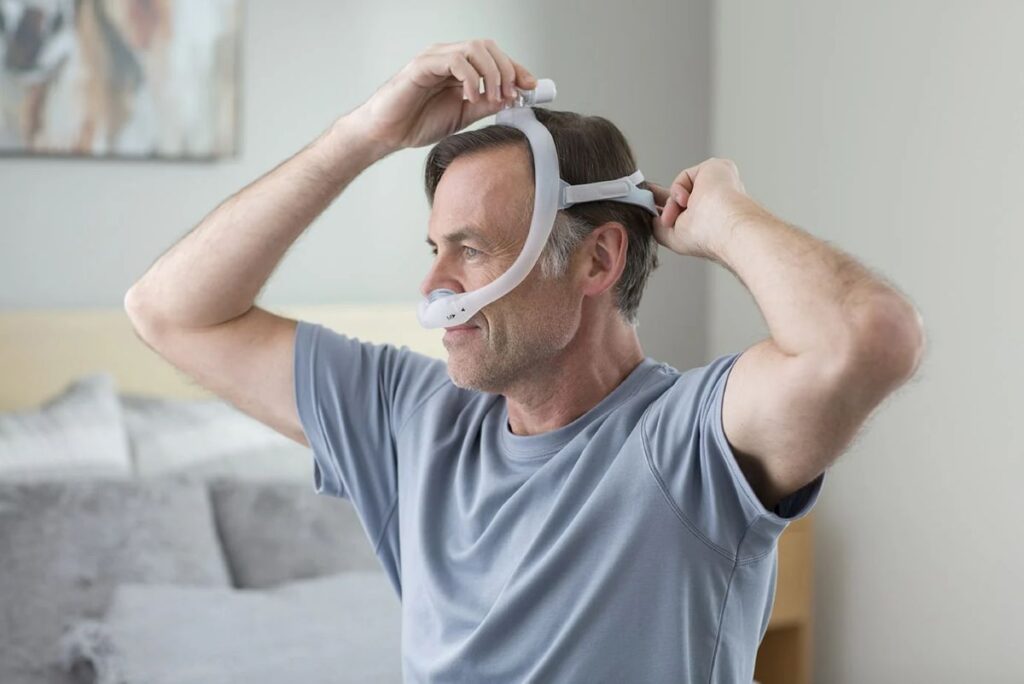
Each component of your CPAP system has a specific lifespan based on material durability and exposure to wear. Following a structured CPAP replacement schedule ensures your therapy remains effective and hygienic.
Nasal Pillows and Cushions
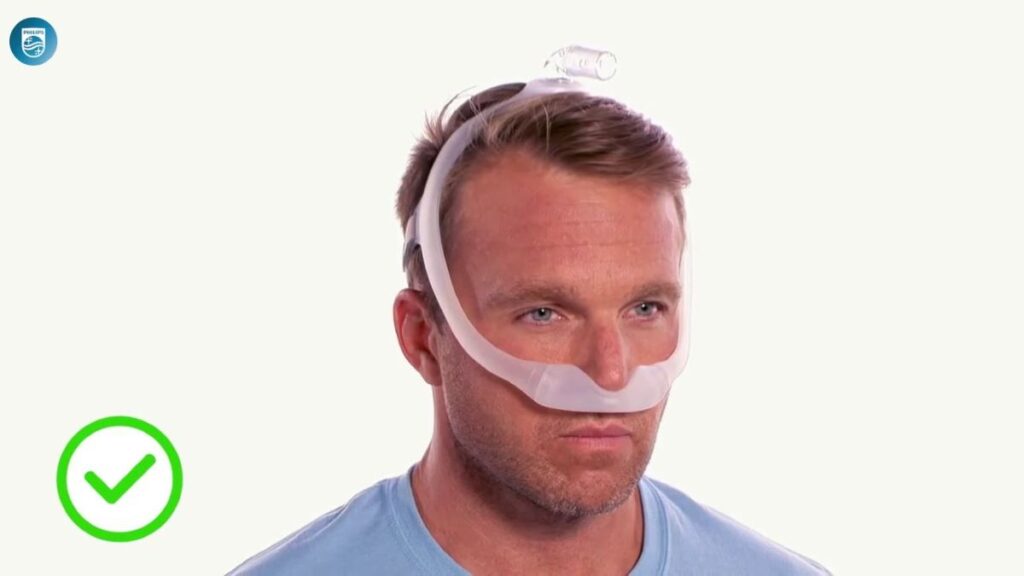
Nasal pillows require the most frequent replacement in your CPAP setup. These small silicone inserts should be replaced every 2-4 weeks due to constant contact with your skin and natural oils. The nasal pillows’ lifespan shortens when facial oils break down the silicone material, causing loss of elasticity and seal integrity.
Full-face mask cushions typically last 1-2 months before showing signs of deterioration. Memory foam cushions need even more frequent attention, requiring monthly replacement as the foam compresses and loses its supportive structure.
Headgear and Straps
Headgear straps maintain their elasticity for approximately 6 months with regular use. The elastic fibres stretch over time, reducing the tension needed to keep your mask securely positioned. Visible signs include permanent stretching, fraying fabric, or weakened Velcro attachments that no longer hold firmly.
Tubing and Hoses
Standard CPAP tubing should be replaced annually. The flexible material develops microscopic cracks and accumulates residue from humidification that cleaning cannot fully remove. Heated tubing may require replacement every 6-12 months depending on usage frequency and water quality in your humidifier.
Filters and Chambers
Disposable filters need monthly replacement, whilst reusable filters last 3 months with proper washing between uses. Humidifier chambers require replacement every 6 months as mineral deposits from water create buildup that affects performance and harbours bacteria.
Creating Your Replacement Calendar
| Component | Replacement Frequency |
| Nasal pillows | 2-4 weeks |
| Memory foam cushions | Monthly |
| Silicone cushions | 1-2 months |
| Disposable filters | Monthly |
| Reusable filters | 3 months |
Conclusion
The success of your CPAP therapy relies heavily on the condition of your equipment. Making mask replacement a priority can turn your treatment from just satisfactory to truly effective.
The four key reasons we’ve discussed—maintaining therapy effectiveness, preserving comfort and skin health, ensuring proper hygiene, and avoiding equipment damage—lead to one simple truth: regular replacement isn’t optional maintenance, it’s essential care. Each worn cushion, stretched headgear strap, or contaminated filter has a direct impact on your sleep quality and health outcomes.
CPAP maintenance benefits go beyond just better sleep. You’re protecting your investment in your health, preventing expensive complications, and maximising the therapeutic value of every night’s rest. Optimising sleep therapy requires consistent attention to detail, and your mask is at the centre of this process.
Consider setting calendar reminders for replacement schedules:
- Monthly checks for nasal cushions and filters
- Quarterly assessments of headgear and tubing
- Six-month reviews of full-face cushions and humidifier chambers
Your insurance provider likely covers these replacements at recommended intervals. Take advantage of this coverage—it exists because manufacturers and medical professionals understand The Top 4 Reasons to Replace Your CPAP Mask Regularly aren’t suggestions, they’re necessities.
Treating your CPAP equipment with the same care you’d give to any medical device ensures you receive the full benefit of your prescribed therapy. Your commitment to regular replacement directly leads to better sleep, improved health markers, and enhanced quality of life. The small effort of keeping your equipment fresh brings returns that multiply night after night, year after year.
Related : 8 Key Features to Look for in a Portable Oxygen Concentrator
FAQs (Frequently Asked Questions)
Why is regular CPAP mask replacement crucial for effective sleep apnea therapy?
Regular CPAP mask replacement is essential to maintain a proper seal and prevent air leaks, which can compromise the effectiveness of sleep apnea therapy. Worn-out masks may fail to provide the necessary pressure, reducing treatment benefits.
How does replacing your CPAP mask improve comfort and skin health?
Replacing your CPAP mask, especially the cushions, enhances comfort during sleep by ensuring a better fit and reducing pressure points. It also helps prevent skin irritation or sores that can develop from using old or worn-out masks.
What role does regular CPAP mask replacement play in maintaining hygiene?
Over time, contaminants and bacteria can accumulate in CPAP masks. Regular replacement helps prevent bacterial buildup, reducing the risk of infections and maintaining overall cleanliness of your CPAP equipment.
Why should you replace damaged CPAP equipment to avoid therapy and insurance problems?
Using damaged CPAP equipment can compromise therapy effectiveness and may lead to issues with insurance coverage. Identifying signs of wear or damage early allows for timely replacements, ensuring continuous treatment and avoiding potential claim complications.
What are the recommended replacement schedules for different components of your CPAP setup?
Different parts of a CPAP setup have varying lifespans; for example, nasal pillows typically require replacement every 2-4 weeks, headgear every 6 months, and tubing every 3 months. Adhering to these schedules helps maintain optimal therapy performance.
How does regular CPAP maintenance benefit overall sleep therapy optimization?
Prioritising regular mask replacement and overall CPAP maintenance ensures consistent therapy performance, improves comfort, reduces health risks, and ultimately optimises sleep apnea treatment outcomes for better quality of life.