
Clear vision is crucial for busy professionals and those with active lifestyles. Yet, laser eye surgery often comes with myths that can cause unnecessary worry. Understanding the facts from eye surgeons helps you make informed decisions, set realistic expectations, and embrace the benefits of modern vision correction safely and confidently.
Common Myths About Laser Eye Surgery
Myth 1: Laser Eye Surgery Is Extremely Painful
Many people fear intense pain during the procedure.
Fact: Modern LASIK and PRK use numbing eye drops, and most patients feel only mild pressure or discomfort. Recovery discomfort is temporary and manageable with prescribed drops.
Who benefits most: First-time patients anxious about eye procedures.
Myth 2: Results Are Not Long-Lasting
Some worry about the permanence of laser eye surgery.
Fact: For most patients, results are stable and long-lasting. Age-related vision changes may occur, but dependence on glasses or contacts is significantly reduced.
Who benefits most: Professionals seeking a durable solution for clear vision.
Myth 3: LASIK Can Blind You
A common fear is losing vision entirely.
Fact: Serious complications are extremely rare. Modern techniques and experienced surgeons make LASIK and PRK highly safe.
Who benefits most: Individuals seeking reassurance about safety.
Myth 4: Only Young People Can Have Laser Eye Surgery
Many think age limits eligibility.
Fact: Most adults with stable prescriptions are suitable candidates. Pre-existing eye conditions may affect eligibility rather than age alone.
Who benefits most: Adults in their 30s, 40s, and beyond considering vision correction.
Myth 5: You Can’t Have Laser Surgery If You Have Astigmatism
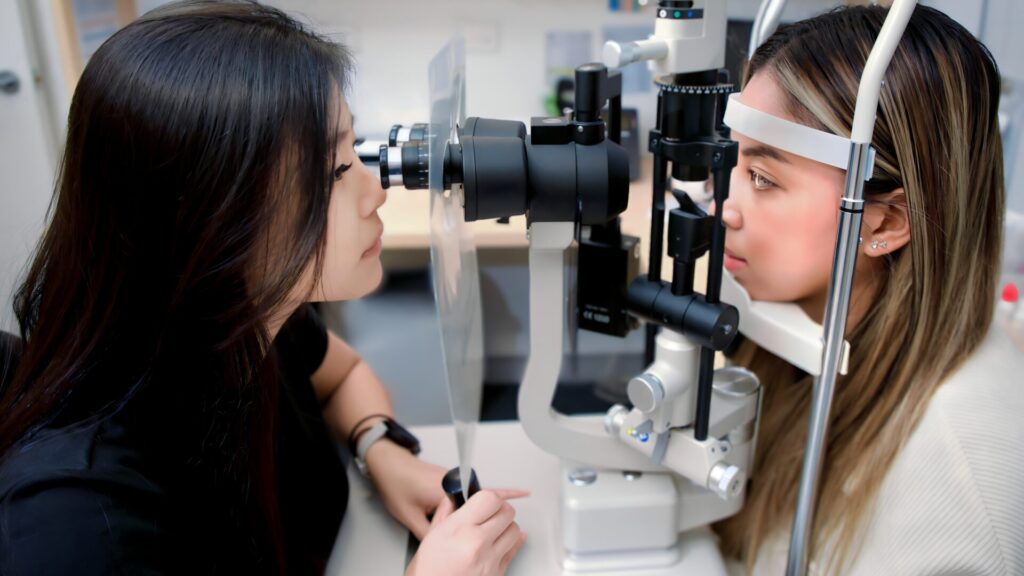
Some believe astigmatism is a barrier.
Fact: Modern lasers can correct mild to moderate astigmatism effectively, improving vision clarity.
Who benefits most: Patients with astigmatism seeking freedom from corrective lenses.
Benefits of Laser Eye Surgery
1. Freedom from Glasses and Contacts
Eliminate daily reliance on lenses, making mornings easier and activities more comfortable.
2. Quick Procedure Time
Most surgeries take under 15 minutes per eye.
3. Minimal Pain and Discomfort
Numbing drops and advanced lasers make the procedure nearly painless.
4. Rapid Vision Improvement
Many patients notice clearer vision within 24–48 hours.
5. Enhanced Athletic Performance
Clear vision without glasses or contacts benefits runners, swimmers, and outdoor sports enthusiasts.
6. Convenience for Professionals
Busy schedules are minimally disrupted due to short procedure and recovery times.
7. Long-Term Cost Savings
Reduce spending on corrective lenses, solutions, and eyewear over time.
8. Customised Vision Correction
Wavefront-guided technology corrects individual eye imperfections for sharper vision.
9. Improved Night Vision
Advanced lasers reduce halos and glare, improving low-light visual performance.
10. Boosted Confidence and Lifestyle Freedom
Independence from eyewear supports professional, social, and travel activities comfortably.
FAQs About Laser Eye Surgery Myths
Q1: Is laser eye surgery painful?
Most patients report minimal discomfort during surgery thanks to numbing drops. A sensation of mild pressure may occur, but it is brief. Post-operative discomfort, like dryness or irritation, is temporary and manageable with prescribed eye drops.
Q2: Can LASIK results change over time?
Results are generally long-lasting. While age-related changes like presbyopia may occur, most patients enjoy decades of improved vision and reduced dependence on glasses or contacts.
Q3: Can I have laser eye surgery if I have astigmatism?
Yes, modern laser procedures effectively treat mild to moderate astigmatism. Patients experience sharper vision, reduced glare, and enhanced clarity for professional and daily activities.
Q4: Is laser eye surgery safe for older adults?
Age alone is not a limiting factor. Most adults with stable prescriptions and healthy eyes are suitable candidates. Pre-existing eye conditions are more important in determining eligibility.
Q5: Are serious complications common?
No. Serious complications are rare, especially when surgery is performed by experienced specialists using modern technology. Most patients achieve safe, predictable, and satisfying outcomes.