
What is a Portable Oxygen Concentrator and Why is it Important for Individuals Requiring Supplemental Oxygen?
A portable oxygen concentrator is a medical device that extracts oxygen from ambient air and delivers concentrated oxygen to users who need supplemental oxygen therapy. Unlike traditional oxygen tanks, these devices generate oxygen on demand, eliminating the need for refills and offering unprecedented freedom.
For individuals with chronic respiratory conditions such as COPD, pulmonary fibrosis, or severe asthma, portable oxygen concentrator Australia represent a lifeline to independence. These devices transform daily life by enabling users to maintain their oxygen therapy whilst pursuing activities that matter most—whether that’s visiting family, shopping, or travelling.
The true value of a portable oxygen concentrator lies in its ability to deliver effective oxygen therapy without tethering users to stationary equipment. Traditional oxygen cylinders restrict movement and require constant monitoring of oxygen levels, creating anxiety about running out during outings. POCs solve this challenge by continuously producing oxygen as long as they have power.
Key advantages include:
- Continuous oxygen generation without refills
- Lightweight designs that accommodate active lifestyles
- Multiple power options for home and travel use
- Reduced dependence on oxygen delivery services
This balance between medical necessity and lifestyle flexibility makes portable oxygen concentrators essential for anyone seeking to maintain their mobility and independence whilst managing their respiratory health. The right device doesn’t just provide oxygen—it restores confidence and enables users to reclaim their daily routines without compromise.
Why Should You Consider Portability and Weight When Choosing a Portable Oxygen Concentrator?
Portability and weight directly determine whether you’ll actually use your oxygen concentrator outside your home. A device that’s too heavy or bulky becomes a burden rather than a tool for independence, limiting your ability to maintain an active lifestyle.
The ideal lightweight design allows you to carry your concentrator without physical strain or fatigue. Devices weighing between 15 to 18 pounds represent the sweet spot where functionality meets practicality. The CAIRE SeQual Eclipse 5, for instance, weighs 18.4 pounds—manageable for most users whilst still delivering robust oxygen therapy capabilities.
Physical Dimensions Matter Beyond Weight
Compact dimensions enable your concentrator to fit comfortably in various spaces:
- Under aeroplane seats during air travel
- In car footwells or passenger seats
- Shopping trolleys during errands
- Restaurant seating areas without obstruction
- Public transport spaces
A device measuring roughly 19 inches in length and 12 inches in height can navigate these environments without drawing excessive attention or creating accessibility challenges.
Ergonomic Features Transform User Experience
Thoughtful design elements significantly impact daily mobility. Padded shoulder straps distribute weight across your body, reducing strain on hands and arms during extended use. Ergonomic handles positioned at the device’s centre of gravity make lifting and repositioning effortless.
Some concentrators feature integrated wheels and telescoping handles, transforming them into rolling luggage. This design proves invaluable for users with limited upper body strength or those managing multiple items simultaneously. The ability to pull rather than carry your oxygen source preserves energy for activities that matter.
Real-World Scenarios Reveal Design Importance
Consider navigating an airport terminal or attending a grandchild’s football match. A 25-pound device without proper carrying options becomes prohibitive. An 18-pound model with a well-designed shoulder strap allows you to move freely, maintaining the spontaneity that makes life enjoyable. The difference of just a few pounds can mean the distinction between attending social events and staying home.
How Do Different Oxygen Delivery Modes Impact Your Therapy Options with a Portable Oxygen Concentrator?
Portable oxygen concentrators offer two primary oxygen delivery modes: continuous flow and pulse dose, each designed to meet distinct therapeutic needs. Continuous flow delivers a steady, uninterrupted stream of oxygen at a set rate, regardless of your breathing pattern, whilst pulse dose (also called demand dose) releases oxygen only when you inhale, detecting your breath and delivering a precise bolus of oxygen.
Understanding Continuous Flow Oxygen Delivery
Continuous flow mode provides a constant supply of oxygen measured in litres per minute (LPM), typically ranging from 0.5 to 3 LPM or higher depending on the device. This mode operates identically to traditional oxygen tanks, making it suitable for patients who require oxygen during both inhalation and exhalation phases. Medical professionals often prescribe continuous flow for individuals with severe respiratory conditions, those who need oxygen whilst sleeping, or patients whose oxygen saturation levels require consistent supplementation regardless of activity level.
The primary consideration with continuous flow is its impact on battery performance. Because the device runs continuously without pause, it consumes significantly more power than pulse dose delivery. A portable oxygen concentrator operating on continuous flow at 2 LPM might provide 2-3 hours of battery life, compared to 4-6 hours or more when using pulse dose settings. This difference becomes particularly relevant for users planning extended outings or travel.
How Pulse Dose Delivery Optimises Efficiency
Pulse dose technology represents a more sophisticated approach to oxygen therapy. The device contains sensors that detect the beginning of your inhalation and immediately release a measured dose of oxygen. This intelligent delivery system ensures you receive oxygen precisely when your lungs can absorb it most effectively—during the inspiratory phase of breathing.
Key advantages of pulse dose include:
- Extended battery life due to oxygen delivery only during inhalation
- Lighter device weight since smaller batteries can provide adequate runtime
- Increased portability for active lifestyles and travel
- Reduced power consumption allowing for smaller, more compact designs
Pulse dose settings are typically numbered (1-6 or 1-9) rather than measured in litres per minute. Each setting corresponds to a specific oxygen bolus size, with higher numbers.
Why Are Battery Life and Power Options Important for Users of Portable Oxygen Concentrators?
Battery life determines how long you can stay active without being near a power source. A portable oxygen concentrator with a strong battery ensures you can always get your oxygen therapy, whether you’re going about your daily routine, running errands, or travelling.
Most users need their device to work continuously for at least 4-6 hours to complete regular tasks outside their homes. Standard rechargeable batteries usually last between 2-4 hours, depending on how much oxygen you need and how the device is set up. Using pulse dose settings instead of continuous flow can help save battery power and make it last longer.
Extended and Dual Battery Configurations
If you need to be away from electrical outlets for longer periods, extended batteries can be a practical solution. These higher-capacity options can double your operating time, with some models providing 8-10 hours on a single charge. Dual battery systems allow you to swap out depleted batteries without interrupting your oxygen supply, creating virtually unlimited mobility when you carry spare batteries.
The ability to upgrade battery capacity later is an important feature among the 8 Key Features to Look for in a Portable Oxygen Concentrator. Your oxygen needs may change over time, and having the option to increase power without having to buy a new device is beneficial.
Charging Flexibility and Speed
Fast-charging capabilities reduce downtime between uses. Some rechargeable batteries reach full capacity in 3-4 hours, whilst others may require 6-8 hours. Understanding charging times helps you plan activities and ensures your device remains ready when needed.
Power options should include:
- Standard AC charging for home use
- DC charging adapters for vehicle power
- External battery chargers that allow charging spare batteries independently
- Solar charging compatibility for extended outdoor activities
Battery indicators on your device display remaining power levels, preventing unexpected shutdowns during use. Clear visual or audible alerts notify you when charging becomes necessary, typically when power drops below 20-30% capacity.
How Do Flow Rate Settings Customise Oxygen Therapy in Portable Oxygen Concentrators?
Adjustable oxygen flow settings allow users to receive precisely the amount of oxygen their body requires at any given moment. Flow rate settings determine how many litres per minute of oxygen the device delivers, making this feature essential for matching therapy to individual prescriptions and varying activity levels.
Most portable oxygen concentrators offer adjustable oxygen flow rates ranging from 0.5 to 2 litres per minute, though some advanced models extend beyond 3 litres per minute. This range accommodates different severity levels of respiratory conditions and allows healthcare providers to prescribe exact dosages tailored to each patient’s needs. You may like to visit https://www.rch.org.au/rchcpg/hospital_clinical_guideline_index/oxygen_delivery/ to describe indications and patient management for the use of oxygen therapy and its modes of delivery.
Why Individual Customisation Matters
Every person’s oxygen requirements differ based on their specific medical condition, physical activity, and even altitude. Someone with mild chronic obstructive pulmonary disease might need only 1 litre per minute at rest, whilst another individual with more advanced respiratory issues could require 2.5 litres per minute during light activity. Flow rate settings enable users to adjust their therapy throughout the day without needing multiple devices.
The ability to increase flow rates during physical exertion proves particularly valuable. A patient might use 1 litre per minute whilst reading at home but need to increase to 2 litres per minute when walking to maintain proper blood oxygen saturation levels.
Prescription Flexibility and Medical Supervision
Healthcare providers prescribe specific flow rates based on blood oxygen monitoring and individual assessment. Devices with incremental adjustments—such as 0.5-litre increments—offer finer control than those with limited settings. This precision ensures patients receive neither too little oxygen (risking hypoxaemia) nor excessive amounts (which can cause complications in certain conditions).
Some portable concentrators feature separate settings for pulse dose and continuous flow modes, with different maximum outputs for each delivery method. A device might offer pulse dose settings from 1 to 6, whilst providing continuous flow options from 0.5 to 3 litres per minute, giving users comprehensive therapeutic flexibility.
What Features Make a Portable Oxygen Concentrator Easy to Use?
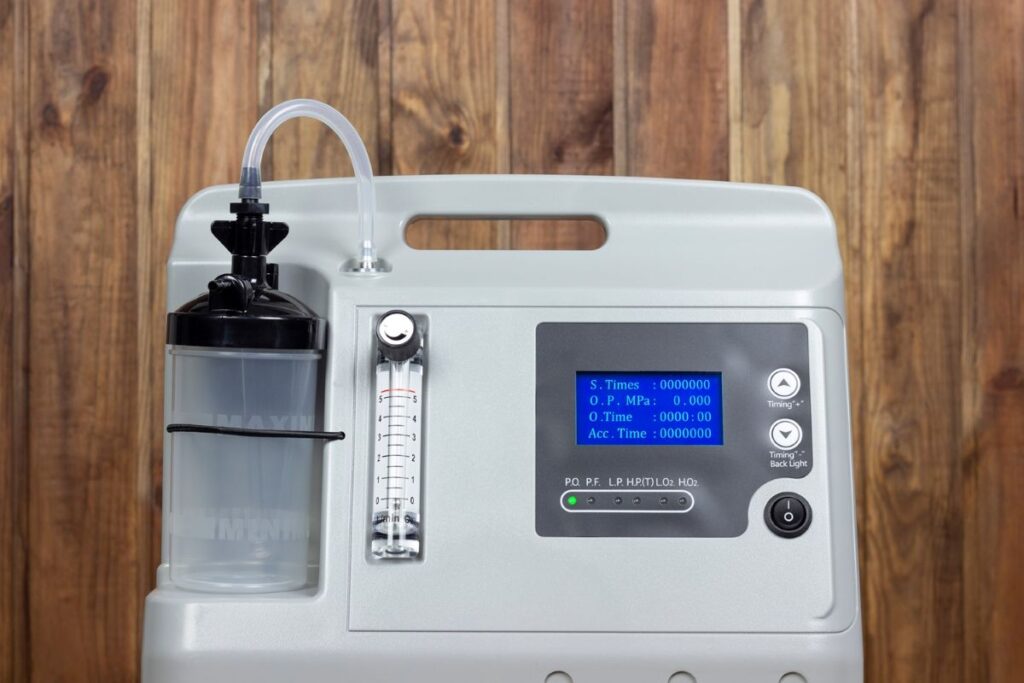
Ease of use begins with an intuitive control panel that allows users to operate their device without confusion or frustration. A well-designed portable oxygen concentrator features user-friendly controls positioned logically, with buttons or dials that respond predictably to touch, enabling quick adjustments even for users with limited dexterity or visual challenges.
The clear display serves as the communication hub between device and user. High-contrast screens with large, readable fonts show essential information at a glance—current flow settings, battery status, and system alerts. Backlit displays prove particularly valuable in low-light conditions, whether you’re using your device during evening hours at home or in dimly lit transport environments.
Control Panel Design Elements
Modern portable oxygen concentrators incorporate several design principles that enhance usability:
- Minimal button layouts reduce complexity—typically featuring power, flow adjustment, and mode selection controls
- Tactile feedback confirms each button press, providing reassurance that commands register properly
- Colour-coded indicators communicate device status instantly through green (normal operation), yellow (attention needed), or red (alert) signals
- Protected controls prevent accidental changes to settings during transport or daily activities
Monitoring Made Simple
Simple adjustments transform the user experience from technical challenge to straightforward task. Users can modify their oxygen flow rate with single button presses rather than navigating through multiple menus. This direct approach matters during moments when breathing difficulties make complex interactions impractical.
Visual and audible feedback systems work together to keep users informed. When battery levels drop below critical thresholds, both screen notifications and gentle alarm tones alert users well before power depletion. Oxygen purity indicators confirm the device produces medical-grade oxygen, whilst maintenance reminders prompt timely filter changes.
Real-Time Information Access
The ability to monitor therapy effectiveness without guesswork empowers users to maintain control over their health. Digital readouts display precise flow rates in litres per minute, eliminating ambiguity about current settings. Battery life indicators show remaining hours of operation based on current usage patterns, allowing users to plan activities and charging schedules confidently.
Some advanced models include breath rate detection displays, showing how the device synchronises pulse dose delivery with the user’s natural breathing pattern.
How Does Power Source Versatility Enhance Convenience in Using a Portable Oxygen Concentrator?
Power source versatility transforms a portable oxygen concentrator from a single-location device into a truly mobile therapy solution. The ability to connect to multiple power sources—AC power from home sockets, DC power from vehicle chargers, and rechargeable batteries—means users never face interruptions in their oxygen supply regardless of location.
Home Use with AC Power
Plugging your portable oxygen concentrator into standard wall sockets at home provides unlimited runtime without draining battery reserves. This AC power option allows users to:
- Charge batteries whilst receiving therapy
- Conserve portable battery life for outdoor activities
- Maintain consistent oxygen delivery during extended periods indoors
- Eliminate anxiety about battery depletion during sleep or rest
The seamless switch between AC operation and battery power happens automatically in most modern devices, requiring no manual intervention from users.
Vehicle Charging with DC Power
DC power compatibility through car, boat, or recreational vehicle charging ports extends freedom of movement during travel. A dedicated vehicle adapter connects directly to 12-volt outlets, enabling:
- Continuous oxygen therapy during long road trips
- Battery recharging whilst driving to destinations
- Independence from finding electrical sockets during multi-day journeys
- Peace of mind for users who spend significant time commuting
This feature proves particularly valuable for individuals who maintain active social lives, attend medical appointments regularly, or enjoy weekend getaways.
Travel Flexibility
The combination of AC and DC charging options alongside portable battery operation creates unprecedented flexibility. Users can plan extended outings knowing they can recharge at hotels, in vehicles, or at friends’ homes. This power source versatility removes the geographical limitations that once confined oxygen therapy users to their immediate surroundings.
Battery-powered operation remains essential for situations where neither AC nor DC power is accessible—walking through parks, attending outdoor events, or navigating airports. The multi-power approach ensures users always have backup options, making portable oxygen concentrators truly adaptable to any lifestyle scenario.
What Accessories Should You Expect With Your Portable Oxygen Concentrator?
Most portable oxygen concentrators come with essential accessories included that enhance daily use and protect your investment. Standard packages typically contain nasal cannulas, AC and DC power adapters, and rechargeable batteries to get you started immediately.
Carry bags represent one of the most valuable accessories for POC users. These specially designed bags feature padded compartments that protect your device during transport whilst providing easy access to controls and displays. Many manufacturers include custom-fitted shoulder bags with adjustable straps that distribute weight evenly, reducing strain during extended periods of wear.
Essential Transport Accessories
Quality carry solutions go beyond basic bags:
- Wheeled carts – Rolling options transform heavier units into easily manoeuvrable devices, ideal for airport terminals or shopping centres
- Backpack-style carriers – Distribute weight across both shoulders for improved comfort during longer outings
- Belt clips and holsters – Secure smaller POCs directly to your body for hands-free mobility
Practical Add-Ons That Enhance Usability
Additional accessories that frequently accompany portable oxygen concentrators include:
- Extra nasal cannulas – Replacement tubing ensures you always have a clean, functional connection
- Battery chargers – External charging stations allow you to power up spare batteries whilst using your device
- Protective cases – Hard-shell options provide maximum protection during travel or storage
- Tubing management clips – Keep oxygen lines organised and prevent tangling or tripping hazards
Some manufacturers bundle accessory kits that include multiple items at better value than purchasing separately. These comprehensive packages often feature spare filters, cleaning supplies, and storage solutions tailored to your specific POC model. When comparing devices, examine what’s included versus what requires separate purchase, as this significantly impacts your total investment and readiness to use the concentrator immediately upon delivery.
Why Are Warranty and Support Essential Factors to Consider When Choosing a Portable Oxygen Concentrator?*
Warranty coverage protects your investment and ensures long-term reliability when using a portable oxygen concentrator. A comprehensive warranty demonstrates the manufacturer’s confidence in their product and shields you from unexpected repair costs that could arise from component failures.
Quality warranties typically cover critical components for different durations. The main unit often receives coverage for three to five years, whilst essential parts like sieve beds face regular wear from continuous oxygen filtration. These oxygen filters require periodic replacement, and warranty coverage for these components can save hundreds of pounds over the device’s lifespan.
Battery warranties deserve special attention since these power sources naturally degrade with repeated charging cycles. Standard coverage ranges from six months to two years, depending on the manufacturer. Some companies offer extended warranty options that include battery replacements, which proves valuable given that replacement batteries can cost between £200 and £400 each.
What Components Should Your Warranty Cover?
A robust warranty package should protect multiple device elements:
- Main unit housing and internal electronics – typically 3-5 years
- Sieve beds (oxygen filters) – often 1-3 years or specific hour limits
- Batteries – usually 6 months to 2 years
- Accessories – varying coverage for cannulas, power supplies, and carrying cases
- Labour costs – some warranties cover repair labour whilst others charge separately
How Does Customer Support Impact Your Experience?
Responsive customer support transforms warranty coverage from paper promises into practical assistance. Manufacturers with dedicated support teams provide troubleshooting guidance, arrange repairs quickly, and answer questions about optimal device usage.
Support channels vary significantly between brands. The best providers offer multiple contact methods including telephone hotlines, email support, live chat, and comprehensive online resources. Twenty-four-hour availability proves particularly valuable for users who depend on their concentrators for continuous therapy.
Technical support staff should possess detailed product knowledge and medical device expertise. They guide users through minor issues like alarm troubleshooting, help optimise settings for individual needs, and coordinate warranty claims efficiently. This expertise reduces downtime and ensures your oxygen therapy remains uninterrupted.
See Also : The Top 4 Reasons to Replace Your CPAP Mask Regularly
How to Choose the Right Portable Oxygen Concentrator That Suits Your Lifestyle?
Selecting the right device requires evaluating all eight key features against your daily activities, travel habits, and medical requirements. The 8 Key Features to Look for in a Portable Oxygen Concentrator work together to determine whether a device truly fits your lifestyle needs.
1. Portability and Weight
Portability and weight should match your physical capabilities and activity level. If you frequently walk or use public transport, prioritise devices under 2.3 kilograms. For occasional outings with vehicle access, models around 8.2 kilograms with wheeled carts may suffice.
2. Oxygen Delivery Modes
Oxygen delivery modes must align with your prescription. Verify whether your doctor requires continuous flow or if pulse dose meets your therapy needs. Some conditions demand continuous flow during sleep or exertion, making this feature non-negotiable.
3. Battery Life and Power Options
Battery life and power options determine your freedom of movement. Calculate your typical time away from power sources—shopping trips, medical appointments, social visits—then choose a device offering 25-50% more runtime than your minimum requirement.
4. Flow Rate Settings
Flow rate settings need sufficient range for current and potential future needs. If your prescription might increase, select a device with higher maximum settings to avoid premature replacement.
5. Ease of Use
Ease of use becomes critical during stressful moments or emergencies. Test the control panel before purchasing—can you read the display in bright sunlight? Can you adjust settings with limited dexterity?
6. Power Source Versatility
Power source versatility expands your options for recharging. Devices accepting AC, DC, and external battery packs provide backup solutions when primary power sources aren’t available.
7. Accessories Included
Accessories included affect your total investment. Compare what comes standard versus optional purchases—carry bags, extra batteries, and vehicle chargers add significant value.
8. Warranty and Support
Warranty and support protect your investment long-term. Prioritise manufacturers offering comprehensive coverage and responsive customer service, as these devices require ongoing maintenance.
When choosing POC devices, create a checklist ranking these features by personal importance. Your lifestyle patterns—whether you’re a frequent traveller, outdoor enthusiast, or primarily homebound—should guide which features deserve premium consideration versus acceptable compromises.
FAQs (Frequently Asked Questions)
What is a Portable Oxygen Concentrator and why is it important for individuals requiring supplemental oxygen?
A Portable Oxygen Concentrator (POC) is a compact device designed to provide supplemental oxygen therapy to individuals with respiratory conditions. It is important because it balances effective oxygen delivery with mobility and independence, allowing users to maintain an active lifestyle while managing their oxygen needs.
Why should portability and weight be considered when choosing a Portable Oxygen Concentrator?
Portability and lightweight design are critical for ease of carrying and transportation. Devices weighing around 18 pounds with ergonomic handles or shoulder straps enhance user mobility, making it easier for individuals to use their POC comfortably throughout daily activities and travel.
How do different oxygen delivery modes impact therapy options with a Portable Oxygen Concentrator?
Portable Oxygen Concentrators typically offer continuous flow or pulse dose oxygen delivery modes. Continuous flow provides a steady stream of oxygen suitable for patients requiring constant levels, while pulse dose delivers oxygen only during inhalation, improving battery life and efficiency. The choice depends on individual therapeutic needs.
Why is battery life and power options crucial for users of Portable Oxygen Concentrators?
Long-lasting batteries are essential to ensure uninterrupted oxygen therapy, especially when away from power sources. Options like extended or dual rechargeable batteries allow longer use without frequent recharging, enhancing convenience and reliability for users on the move.
How do flow rate settings customise oxygen therapy in Portable Oxygen Concentrators?
Adjustable flow rate settings enable users to tailor oxygen delivery to their specific needs, typically ranging from 0.5 to 2 litres per minute or higher. This customisation ensures optimal therapeutic benefit by matching the device’s output to the individual’s prescribed oxygen requirements.
What features make a Portable Oxygen Concentrator easy to use?
User-friendly controls with intuitive panels and clear displays are vital features that simplify operation. These allow simple adjustments and easy monitoring of therapy settings, improving overall user experience and ensuring effective management of supplemental oxygen therapy.